

Article Sidebar
Downloads
Main Article Content
Abstract
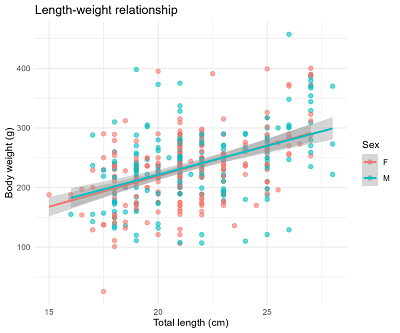
The present study investigated the reproductive biology and length‑weight relationship (LWRs) of Oreochromis niloticus collected from Keenjhar Lake, Sindh, Pakistan, between January and December 2024. A total of 450 specimens were analyzed for morphometric and reproductive parameters, including total length (cm), body weight (g), sex, maturity stage (I–VI), gonad weight (g), gonad length (cm), stomach weight (g), and fecundity (egg count). The overall sex ratio (female:male) was 1.23:1, with females significantly outnumbering males (χ²= 6.98, df= 1, P= 0.008). The length‑weight relationship showed positive allometric growth in females (b= 3.21) and isometric growth in males (b = 3.04). Gonadosomatic index (GSI) peaked in females during January, May, and December, with the highest mean GSI in January (1.20%). However, May also showed elevated GSI, indicating a possible spawning peak in late spring. Absolute fecundity ranged from 88 to 713 eggs per female, with strong positive correlations to body length (r= 0.87) and body weight (r= 0.91). Maturity stage V (ripe) was most frequent in warmer months (April–September), while stage VI (spent) dominated in cooler months (November–January). These findings provide baseline data for sustainable fishery management and conservation of this economically important cichlid in Pakistan’s freshwater ecosystems.
Keywords
Article Details

This work is licensed under a Creative Commons Attribution-NonCommercial-NoDerivatives 4.0 International License.
The authors transfer the copyrights of their papers to the Iranian Society of Ichthyology. However, the information could be used in accordance with the Creative Commons licence (Attribution-NonCommercial 4.0 International (CC BY-NC 4.0)
References
- AbouelFadl, K.Y.; El Sayed, A.F.M. & El Ghobashy, A.E. 2019. Reproductive biology of Nile tilapia (Oreochromis niloticus) in a natural Egyptian lake. Egyptian Journal of Aquatic Research 45(2): 179-185.
- Ali, M. & Salam, A. 2020. Length weight relationship and condition factor of Oreochromis niloticus from a subtropical lake in Pakistan. Pakistan Journal of Zoology 52(3): 1123-1129.
- Bwanika, G.N.; Makanga, B.; Kizito, Y. & Chapman, L.J. (2007). Reproductive biology of Nile tilapia in Lake Wamala, Uganda. African Journal of Ecology 45(4): 523-530.
- Cowx, I.G. & Ogutu Ohwayo, R. 2019. Management of African Inland Fisheries. FAO Fisheries Technical Paper No. 632. Rome: FAO.
- Eagderi, S.; Mouludi-Saleh, A. & Cicek, E. 2020. Length-weight relationship of ten species of Leuciscinae sub-family (Cyprinidae) from Iranian inland waters. International Aquatic Research 12(2): 133.
- El Sayed, A.F.M. 2019. Tilapia Culture (2nd ed.). Academic Press.
- Froese R.; Tsikliras A.C. & Stergiou K.I. 2011. Editorial note on weight–length relations of fishes. Acta Ichthyologica Et Piscatoria 41(4): 261-263.
- Froese, R. 2006. Cube law, condition factor and weight length relationships: history, meta analysis and recommendations. Journal of Applied Ichthyology 22(4): 241-253.
- Hashemzadeh, I.; Tabatabaei, S.N.; Mansouri, A.; Abdoli, A.; Ghalenoei, M. & Golzarianpour, K. 2015. Length-weight relationships of Garra rufa, in the Tigris and Persian Gulf basins of Iran. International Journal of Aquatic Biology 3(1): 25-27.
- Hossain, M.Y.; Jasmine, S.; Rahman, M.M. & Ohtomi, J. (2018). Length weight relationships of 12 indigenous fish species from the Ganges River, Bangladesh. Journal of Applied Ichthyology 34(1): 164-168.
- Jafari-Patcan, A.; Eagderi, S. & Mouludi-Saleh, A. 2018. Length-weight relationship for four fish species from the Oman Sea, Iran. International Journal of Aquatic Biology 6(5): 294-295.
- Keivany, Y. & Zamani-Faradonbe, M. 2016. Length-weight and length-length relationships for six fish species from Zohreh River, Iran. International Journal of Aquatic Biology 4(6): 387-390;
- Keivany, Y.; Nezamoleslami, A.; Dorafshan, S. & Eagderi, S. 2015. Length-weight and length-length relationships in populations of Garra rufa from different rivers and basins of Iran. International Journal of Aquatic Biology 3(6): 409-413.
- Khan, M.N. & Shah, S.I. 2021. Impact of water quality on the reproductive health of Oreochromis niloticus in Keenjhar Lake. Journal of Environmental Biology 42(5): 1289-1296.
- Molina, W.F. & Bicudo, A.J. 2020. Fecundity and spawning frequency of Nile tilapia in different hydrological regimes. Neotropical Ichthyology 18(2): e190056.
- Naeem, M., Salam, A. & Ishtiaq, A. 2016. Reproductive biology of Oreochromis niloticus from a fish farm in Punjab, Pakistan. Biologia (Pakistan) 62(2): 215-222.
- Nikolsky, G.V. 1963. The Ecology of Fishes. Academic Press.
- Njiru, M., Okeyo Owuor, J.B., Muchiri, M., & Cowx, I.G. (2006). Reproductive biology of Nile tilapia (Oreochromis niloticus) in Lake Naivasha, Kenya. African Journal of Ecology 44(2): 234-241.
- Rahman, M.M.: Hossain, M.Y. & Tumpa, A.S. (2019). Gonadosomatic index and fecundity of Nile tilapia in a tropical reservoir. Journal of Fisheries and Aquatic Science 14(1): 1-9.
- Seçer, B.; Sungur, S.; Çiçek, E.; Mouludi-Saleh, A. & Eagderi, S. 2021. Length-weight relationship and condition factor of endemic genus Seminemacheilus (Teloestei= Nemacheilidae) for Turkey. Limnology and Freshwater Biology 2021(3): 1152-1155.
- Tesfaye, G. & Wolff, M. 2015. Reproductive biology of Oreochromis niloticus in Lake Tana, Ethiopia. Lakes & Reservoirs: Research and Management 20(3): 189-200.
- Wootton, R.J., & Smith, C. (2015). Reproductive Biology of Teleost Fishes. Wiley Blackwell.
References
AbouelFadl, K.Y.; El Sayed, A.F.M. & El Ghobashy, A.E. 2019. Reproductive biology of Nile tilapia (Oreochromis niloticus) in a natural Egyptian lake. Egyptian Journal of Aquatic Research 45(2): 179-185.
Ali, M. & Salam, A. 2020. Length weight relationship and condition factor of Oreochromis niloticus from a subtropical lake in Pakistan. Pakistan Journal of Zoology 52(3): 1123-1129.
Bwanika, G.N.; Makanga, B.; Kizito, Y. & Chapman, L.J. (2007). Reproductive biology of Nile tilapia in Lake Wamala, Uganda. African Journal of Ecology 45(4): 523-530.
Cowx, I.G. & Ogutu Ohwayo, R. 2019. Management of African Inland Fisheries. FAO Fisheries Technical Paper No. 632. Rome: FAO.
Eagderi, S.; Mouludi-Saleh, A. & Cicek, E. 2020. Length-weight relationship of ten species of Leuciscinae sub-family (Cyprinidae) from Iranian inland waters. International Aquatic Research 12(2): 133.
El Sayed, A.F.M. 2019. Tilapia Culture (2nd ed.). Academic Press.
Froese R.; Tsikliras A.C. & Stergiou K.I. 2011. Editorial note on weight–length relations of fishes. Acta Ichthyologica Et Piscatoria 41(4): 261-263.
Froese, R. 2006. Cube law, condition factor and weight length relationships: history, meta analysis and recommendations. Journal of Applied Ichthyology 22(4): 241-253.
Hashemzadeh, I.; Tabatabaei, S.N.; Mansouri, A.; Abdoli, A.; Ghalenoei, M. & Golzarianpour, K. 2015. Length-weight relationships of Garra rufa, in the Tigris and Persian Gulf basins of Iran. International Journal of Aquatic Biology 3(1): 25-27.
Hossain, M.Y.; Jasmine, S.; Rahman, M.M. & Ohtomi, J. (2018). Length weight relationships of 12 indigenous fish species from the Ganges River, Bangladesh. Journal of Applied Ichthyology 34(1): 164-168.
Jafari-Patcan, A.; Eagderi, S. & Mouludi-Saleh, A. 2018. Length-weight relationship for four fish species from the Oman Sea, Iran. International Journal of Aquatic Biology 6(5): 294-295.
Keivany, Y. & Zamani-Faradonbe, M. 2016. Length-weight and length-length relationships for six fish species from Zohreh River, Iran. International Journal of Aquatic Biology 4(6): 387-390;
Keivany, Y.; Nezamoleslami, A.; Dorafshan, S. & Eagderi, S. 2015. Length-weight and length-length relationships in populations of Garra rufa from different rivers and basins of Iran. International Journal of Aquatic Biology 3(6): 409-413.
Khan, M.N. & Shah, S.I. 2021. Impact of water quality on the reproductive health of Oreochromis niloticus in Keenjhar Lake. Journal of Environmental Biology 42(5): 1289-1296.
Molina, W.F. & Bicudo, A.J. 2020. Fecundity and spawning frequency of Nile tilapia in different hydrological regimes. Neotropical Ichthyology 18(2): e190056.
Naeem, M., Salam, A. & Ishtiaq, A. 2016. Reproductive biology of Oreochromis niloticus from a fish farm in Punjab, Pakistan. Biologia (Pakistan) 62(2): 215-222.
Nikolsky, G.V. 1963. The Ecology of Fishes. Academic Press.
Njiru, M., Okeyo Owuor, J.B., Muchiri, M., & Cowx, I.G. (2006). Reproductive biology of Nile tilapia (Oreochromis niloticus) in Lake Naivasha, Kenya. African Journal of Ecology 44(2): 234-241.
Rahman, M.M.: Hossain, M.Y. & Tumpa, A.S. (2019). Gonadosomatic index and fecundity of Nile tilapia in a tropical reservoir. Journal of Fisheries and Aquatic Science 14(1): 1-9.
Seçer, B.; Sungur, S.; Çiçek, E.; Mouludi-Saleh, A. & Eagderi, S. 2021. Length-weight relationship and condition factor of endemic genus Seminemacheilus (Teloestei= Nemacheilidae) for Turkey. Limnology and Freshwater Biology 2021(3): 1152-1155.
Tesfaye, G. & Wolff, M. 2015. Reproductive biology of Oreochromis niloticus in Lake Tana, Ethiopia. Lakes & Reservoirs: Research and Management 20(3): 189-200.
Wootton, R.J., & Smith, C. (2015). Reproductive Biology of Teleost Fishes. Wiley Blackwell.